The reasons why Precision aluminum casting is preferred in engineering
The Development of Aluminum Spreading Techniques
Over the decades, different ingenious methods have changed aluminum spreading, greatly boosting its effectiveness and precision. The development began with traditional sand spreading techniques, which, while reliable, commonly led to disparities in surface area finish and dimensional precision. The introduction of die casting in the mid-20th century enabled faster manufacturing rates and improved high quality, as liquified aluminum was compelled into mold and mildews under high stress, lowering porosity and enhancing information.
Further advancements consisted of financial investment casting, which gave also better tolerances and elaborate layouts. The development of computer system numerical control (CNC) modern technology likewise revolutionized mold style, enabling producers to create complicated geometries with exceptional precision. Today, additive production strategies, such as 3D printing for developing mold and mildews, get on the surge, permitting quick prototyping and lowered preparations. Overall, these improvements have considerably influenced the light weight aluminum spreading procedure, satisfying a wider variety of industrial applications.
Advantages of Aluminum in Manufacturing
Light weight aluminum has actually come to be a recommended product in production because of its distinct combination of properties that enhance efficiency and effectiveness across various applications. Its lightweight nature permits for lowered power usage during transportation and assembly, making it an economical option for lots of markets. Furthermore, aluminum shows superb deterioration resistance, making certain long life and lowering upkeep expenses.
ght ratio enables the manufacturing of durable yet lightweight parts, which is specifically advantageous in sectors such as automotive and aerospace. Light weight aluminum additionally offers excellent thermal and electrical conductivity, making it ideal for a selection of industrial applications, including electronic devices and warmth exchangers.
Furthermore, light weight aluminum's pliability enables for intricate designs and easy fabrication, assisting in the production of complex shapes without compromising structural stability (Aluminum Casting Company). These advantages collectively add to light weight aluminum's growing prominence in modern-day production procedures, driving advancement and enhancing item efficiency across a wide variety of industries
Innovations in Light Weight Aluminum Casting Modern Technology
As innovations in making innovation remain to evolve, developments in light weight aluminum casting have actually arised, boosting efficiency and accuracy in manufacturing processes. Among these developments is the introduction of innovative simulation software, which permits makers to design the spreading process practically. This technology allows the prediction of potential issues and enhances mold design, ultimately decreasing product waste. Additionally, the advancement of new alloys has actually expanded the variety of applications for light weight aluminum spreadings, improving mechanical residential properties and corrosion resistance.
The adoption of 3D printing for mold manufacturing has actually transformed the spreading procedure, making it possible for the creation of intricate geometries that were previously unattainable. This shift not just reduces lead times but additionally assists in personalization in manufacturing. Overall, these innovations add substantially to the high quality and flexibility of aluminum spreadings, positioning them as a necessary component in the future of producing technology.
Effect On Manufacturing Effectiveness and Cost Decrease
While the improvement of aluminum casting technologies presents numerous advantages, its most remarkable influence exists in improving production effectiveness and driving cost decrease. By simplifying the spreading process, producers can produce complex parts with better speed and accuracy, substantially decreasing waste. Technologies such Visit This Link as high-pressure die spreading and advanced mold styles permit quicker cycle times and boosted dimensional accuracy, which reduce rework and scrap prices.
The lightweight nature of aluminum adds to decrease transport costs and energy usage throughout production. As a result, makers can attain substantial economic climates of range, ultimately lowering the per-unit expense of items. The capacity to generate top quality spreadings in bigger amounts additionally makes it possible for companies to respond more swiftly to market demands - Aluminum Foundry. These efficiency gains and cost savings position aluminum casting as a competitive advantage in the manufacturing landscape, fostering additional investments in innovation and capability growth
Applications of Light Weight Aluminum Spreading Across Industries
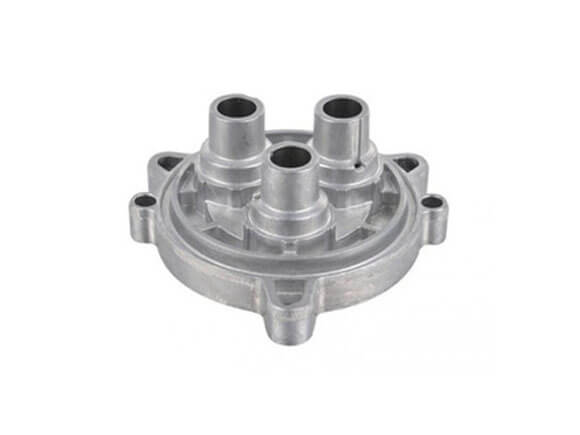
The flexibility of aluminum casting has led to its prevalent fostering throughout different industries, maximizing the advantages of light-weight, long lasting elements. In the automobile sector, light weight aluminum spreadings are used for engine blocks, transmission housings, and wheels, adding to sustain effectiveness and performance. The aerospace market utilizes aluminum castings for architectural elements, where weight reduction is vital for flight efficiency. Additionally, the customer electronics sector leverages aluminum spreading for gadget real estates and elements, enhancing durability while preserving a sleek style. The construction market also gains from aluminum spreadings, utilizing them in home window structures and architectural components that require both toughness and aesthetic charm. Moreover, the clinical area utilizes light weight aluminum castings for tools and devices, where precision and integrity are critical. In general, the varied applications of light weight aluminum casting throughout these markets demonstrate its important role beforehand modern-day manufacturing practices.
The Future of Aluminum Spreading in Manufacturing
Development in light weight aluminum spreading modern technology guarantees to improve manufacturing procedures in the coming years. Breakthroughs such as 3D printing and computer-aided design are simplifying production, enabling for extra complex geometries and minimized waste. The assimilation of automation and robotics read enhances effectiveness, making it possible for manufacturers to produce high-grade components with very little human treatment. In addition, the growth of new aluminum alloys boosts toughness and durability, broadening the prospective applications in fields like aerospace and automotive.
As sustainability ends up being a concern, reusing capacities within light weight aluminum spreading will certainly boost, reducing ecological effect. The execution of smart production techniques, including IoT and data analytics, will even more optimize production process and maintenance practices. These improvements not just enhance functional performance however likewise reduced expenses, making aluminum casting a a lot more appealing choice for producers. Eventually, the future of aluminum casting holds promise for technology, sustainability, and boosted competition in the worldwide market.
Often Asked Concerns
What Precaution Are Associated With Aluminum Casting Processes?
Safety actions in aluminum spreading procedures include protective gear, proper ventilation, training on devices usage, normal maintenance of equipment, surveillance of liquified steel temperature levels, and adherence to safety protocols to avoid accidents and guarantee employee well-being.

Exactly How Is Aluminum Casting Ecologically Sustainable?
Light weight aluminum spreading is eco lasting because of its recyclability, energy efficiency, and lowered greenhouse gas emissions. Using recycled light weight aluminum substantially lowers the energy needed for production, lessening ecological effect while conserving natural deposits.
What Prevail Flaws in Aluminum Castings?
Common defects in aluminum spreadings consist of visit this site porosity, contraction, misruns, chilly shuts, and additions. These issues can occur from improper temperature control, poor mold and mildew layout, or contamination, influencing the total top quality and honesty of the last item.
Can Light Weight Aluminum Casting Be Recycled?
Yes, light weight aluminum spreading can be recycled. The recycling procedure reduces energy intake and ecological impact, permitting for the reuse of aluminum in brand-new items. This sustainability aspect enhances its allure in various production markets.
What Industries Mainly Make Use Of Aluminum Casting?
Light weight aluminum casting is mainly made use of in the automobile, aerospace, customer items, and electronics markets. These sectors take advantage of light weight aluminum's light-weight, corrosion-resistant properties, improving item efficiency, efficiency, and toughness throughout various applications and components.
Over the years, numerous cutting-edge techniques have changed light weight aluminum spreading, significantly improving its performance and accuracy. As advancements in producing innovation proceed to advance, innovations in aluminum casting have arised, improving performance and accuracy in manufacturing procedures. While the advancement of aluminum spreading technologies introduces various benefits, its most significant effect exists in boosting manufacturing performance and driving price decrease. The aerospace sector uses light weight aluminum spreadings for architectural parts, where weight decrease is important for flight effectiveness. Aluminum casting is environmentally sustainable due to its recyclability, energy performance, and reduced greenhouse gas exhausts.